Biochar

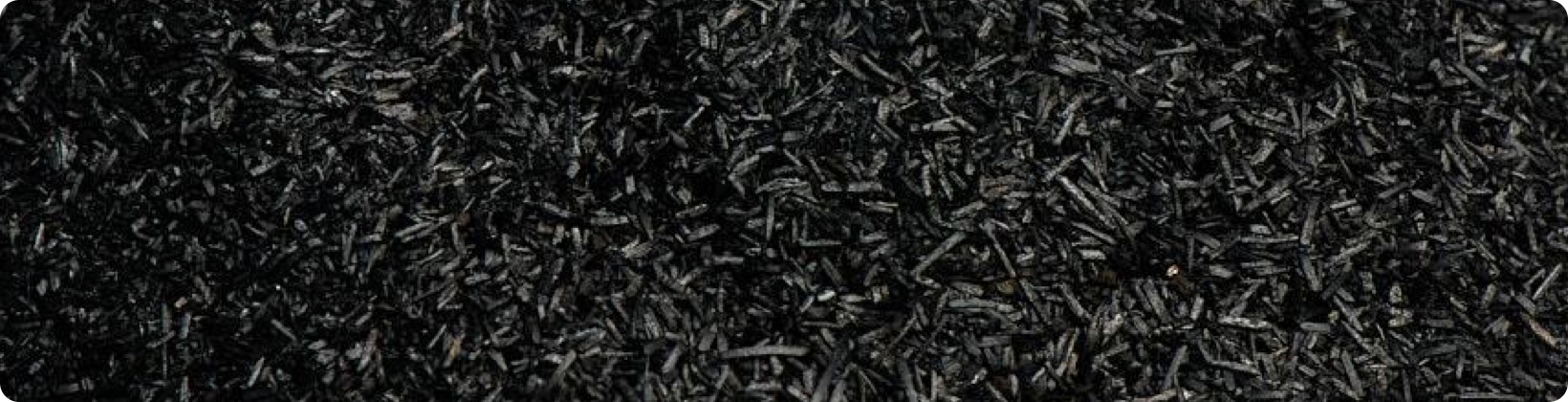
Close-up texture of flax-derived biochar

Process

Agricultural by-products like flax straw can be turned into carbon using heat through a process called slow pyrolysis. When flax residue is heated at high temperatures in a low oxygen environment, it is converted into a solid, carbon-rich material called biochar. The resulting biochar is stable and doesn’t break down easily, which makes it useful for long-term carbon sequestration, helping to improve soil quality, reduce water pollution, and mitigate climate change.

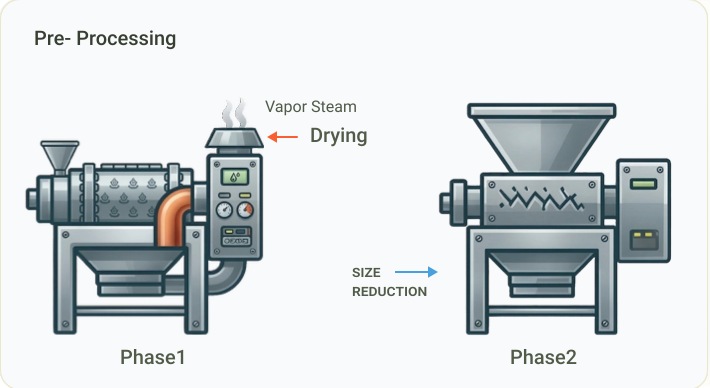
Pre-processing diagram showing flax biomass drying and size reduction

Drying and Size Reduction

Reducing the moisture content of biomass to below 10%–15% is an essential first step, as high moisture levels during pyrolysis consume excess energy and can lead to lower-quality biochar. After drying, breaking the flax biomass into small pieces (<2mm) ensures a uniform particle size and even heating. If particles are too large, their core stays untreated, while excessively small particles may blow away in the reactor.

Pyrolysis

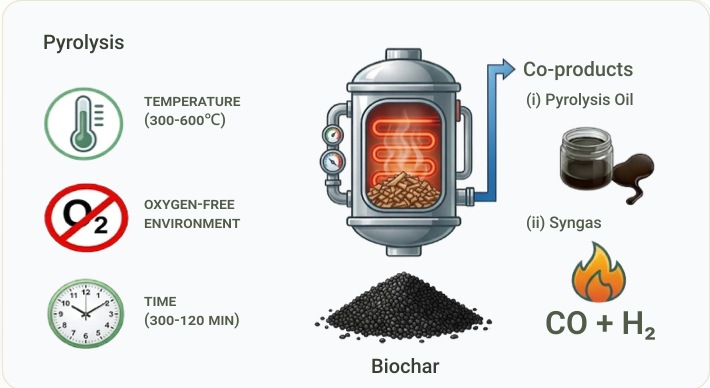
When heated to between 300°C and 600°C, flax residues undergo an oxygen-free thermal decomposition. This transforms them into a high-density, porous biochar, maximizing carbon stability, and functional porosity for carbon sequestration. This process also generates pyrolysis oil and syngas as renewable energy, creating a closed-loop, energy-efficient system.

Pyrolysis diagram showing a low-oxygen reactor and its biochar, oil, and syngas products
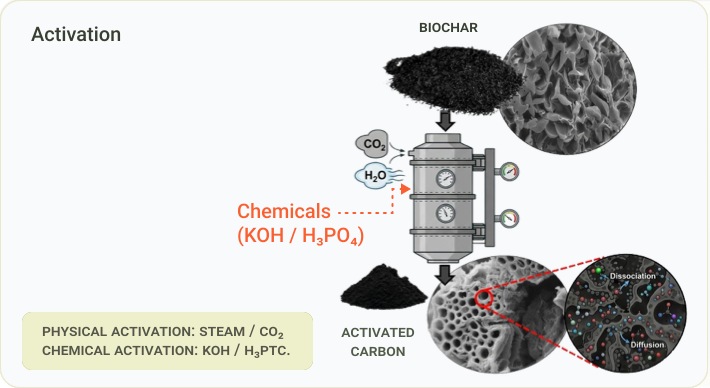
Activation diagram showing biochar treated with steam or chemicals to form activated carbon

Activation

Through chemical or steam activation, biochar is engineered into a high-performance material with a large surface area. This research stream is using modification techniques to target environmental and agricultural applications, seeking to enhance surface area and cation exchange capacity (CEC). The result is a "smart" filter that selectively absorbs pollutants while optimizing soil nutrient retention for agricultural excellence.

Characterization

An important component of this research stream is characterization, which is the process that identifies, quantifies, and analyses the chemical structure, composition, and physical properties of biochar. Mapping its chemical features will show how biochar behaves and interacts with other substances, holds nutrients, and traps harmful heavy metals. By understanding biochar’s carbon content and stability, its ability to perform as an environmental remediator and store carbon over the long term will be explored. Studying biochar’s porous structure and surface area identifies ways it can be used to improve soil and absorb harmful chemicals. By researching biochar’s pH and nutrient content, its capacity to amend soil in a variety of conditions can be tested. Deep characterization ensures that every flax-derived carbon product is tailored for maximum efficiency and long-term ecological stability.
Surface Area and Porosity

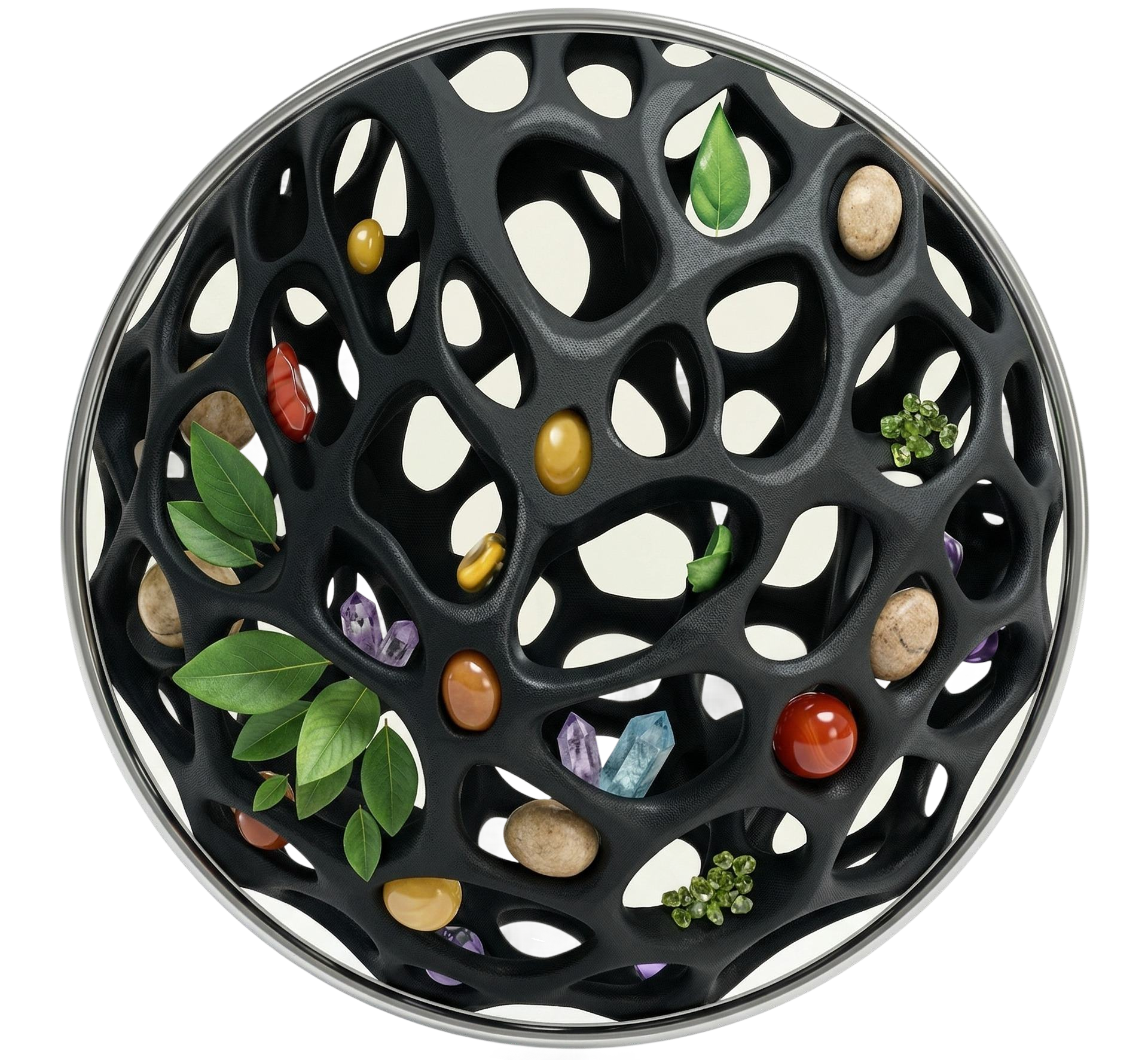
Surface area and porosity are the key physical criteria for biochar's ability to absorb organic pollutants and amend soil. This internal design also protects beneficial bacteria from environmental disturbances.
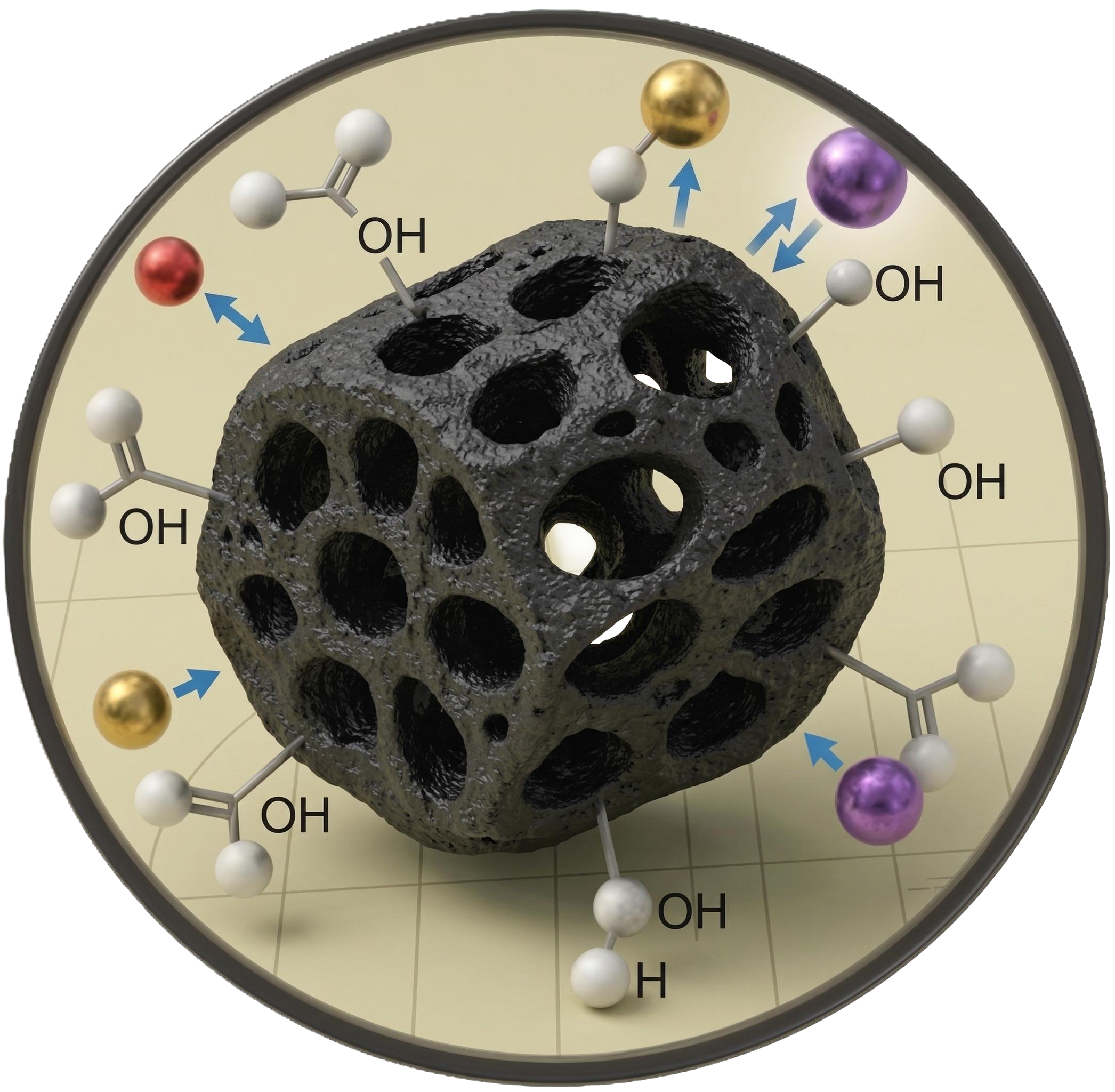
Surface Functional Group

Chemical indicators like surface functional groups control biochar's molecular interactions and surface charge. The density of oxygenated clusters determines cation exchange capacity (CEC), which helps retain nutrients and remediate heavy metals.
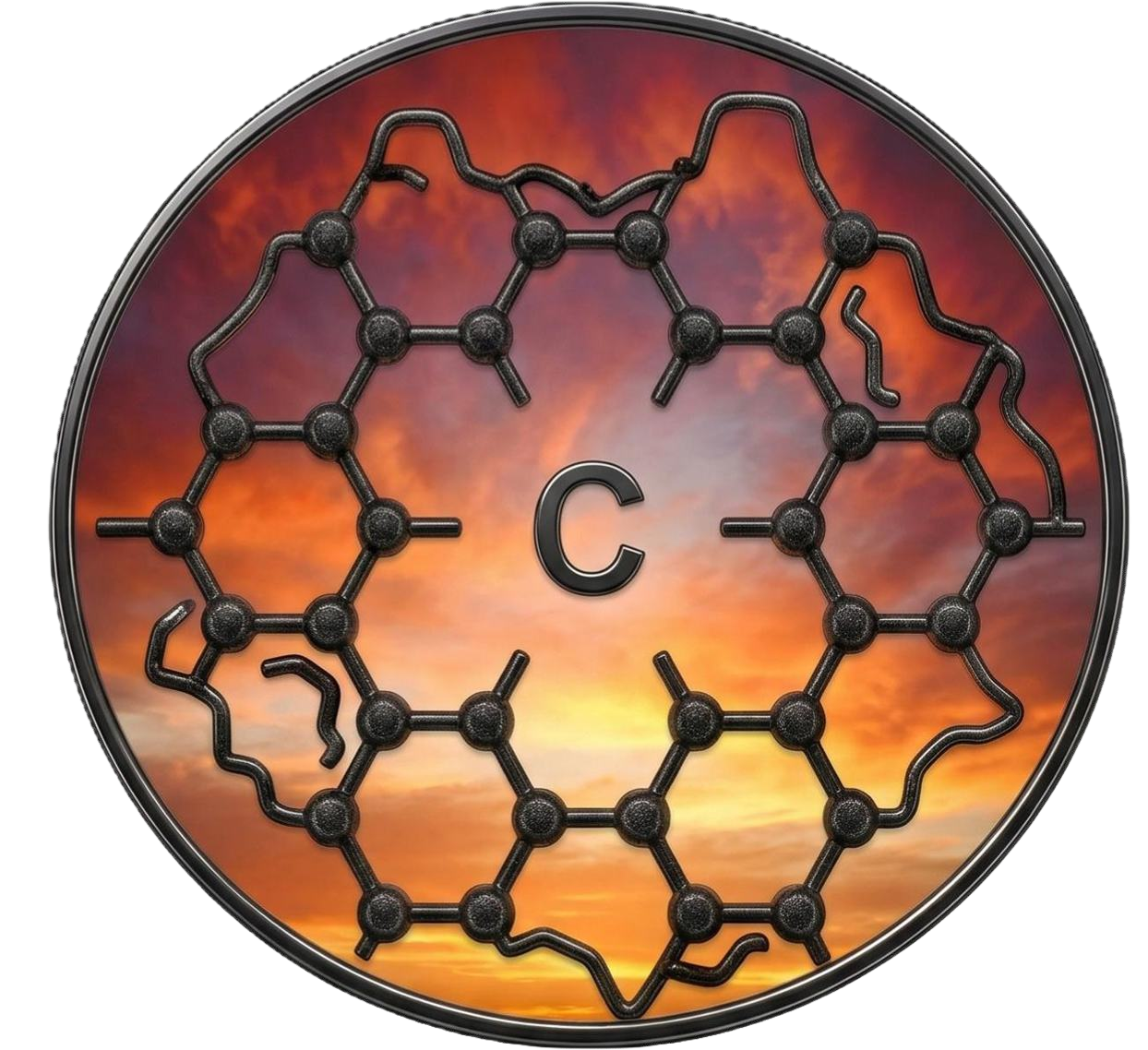
Stability and Carbon Content

Stability and carbon concentration determine biochar's environmental remediation and carbon removal potential. Optimized biochar acts as a carbon sink and can sustain soil structure for centuries.
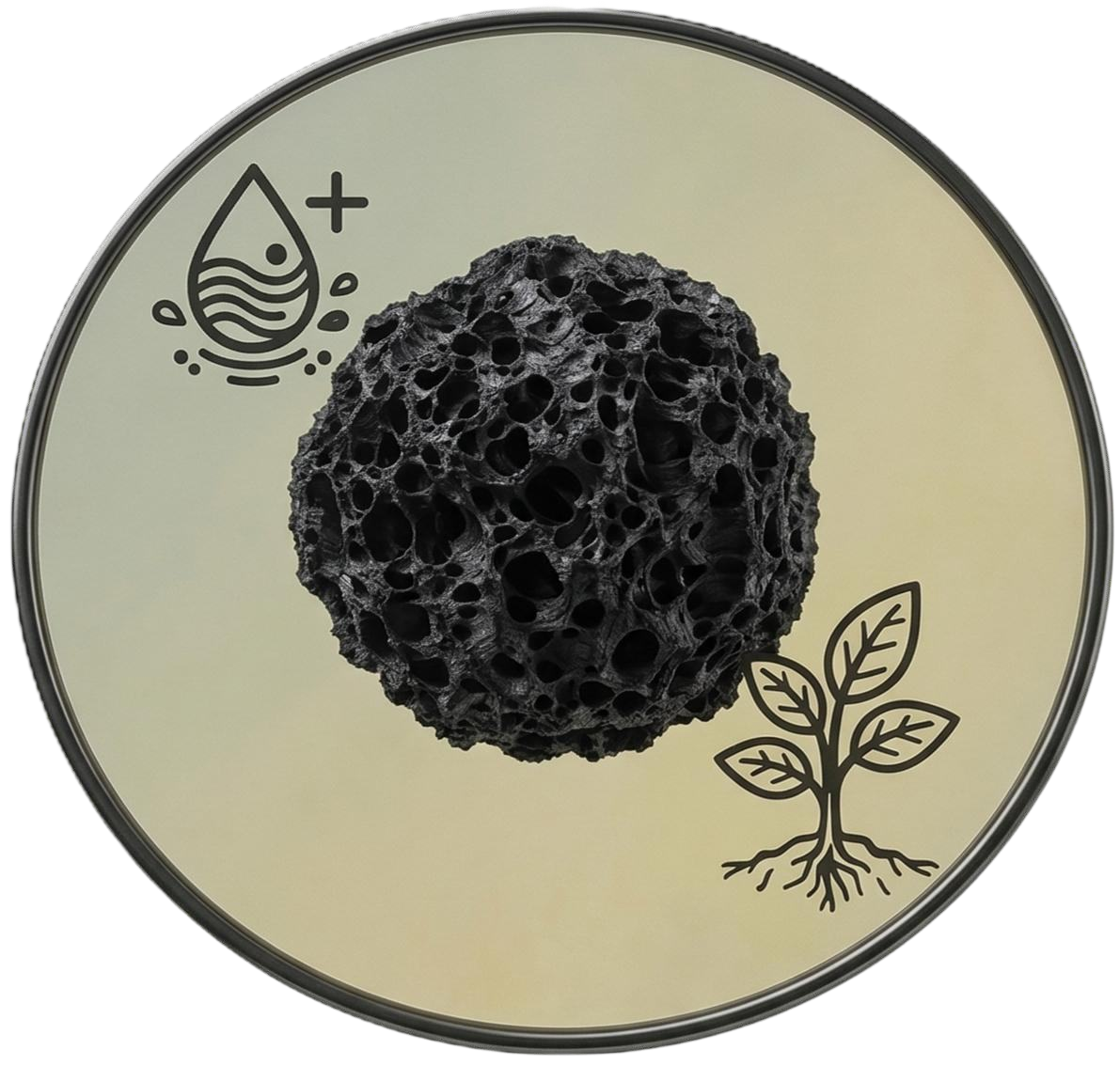
pH and Nutrient Content

Biochar's influence on soil fertility and buffering is mostly determined by pH and nutrient composition. Biochar has an alkaline pH, making it efficient for neutralizing acidic soils and enhancing nutrient availability.
Applications

This research stream is actively investigating agricultural and environmental applications for biochar including converting biomass into soil amendments for agricultural production, filtering water to absorb heavy metals and pollutants, and innovating construction materials for green buildings.

Agriculture Application

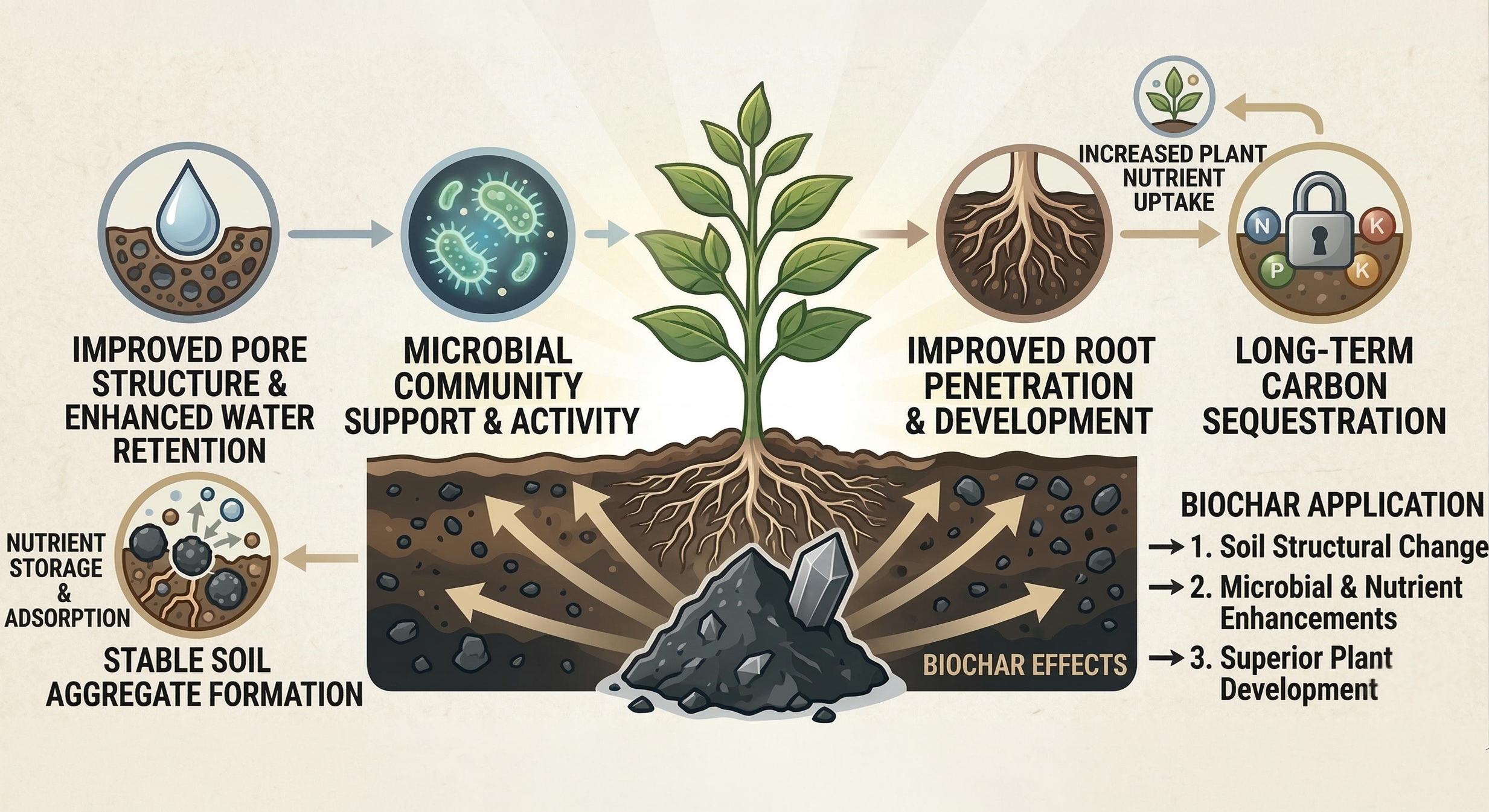
Biochar turns flax waste into a high-performance carbon scaffold that can improve drought resilience and water retention and stabilize nutrient cycle and Cation Exchange Capacity (CEC), sequestering and storing carbon for centuries.

Environmental Application

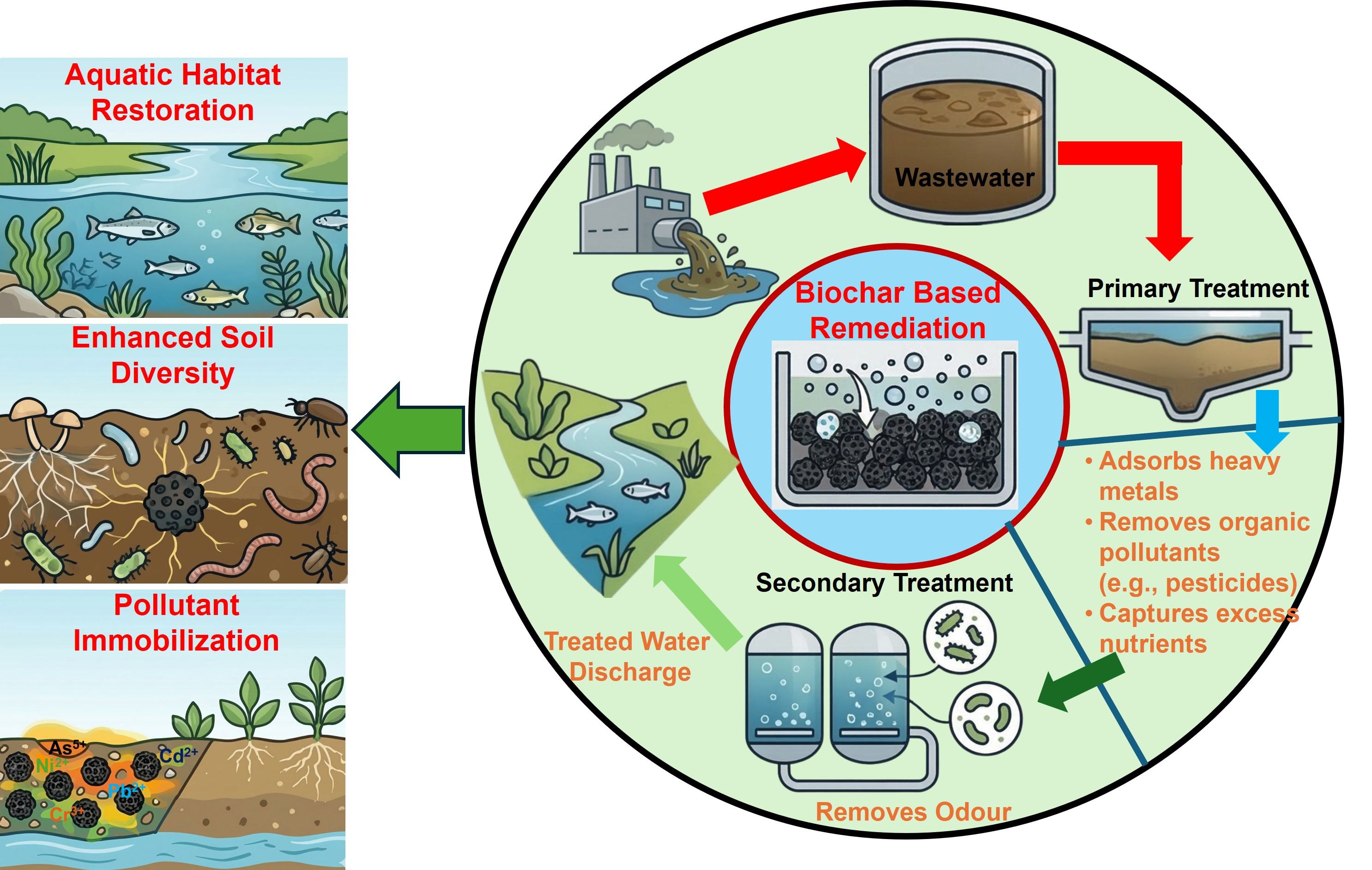
Flax-derived biochar acts as a high-performance filter that strips heavy metals and pesticides from water to restore natural balance. By locking agricultural waste into a stable form, CO2 is permanently removed from the atmosphere.

Construction Application

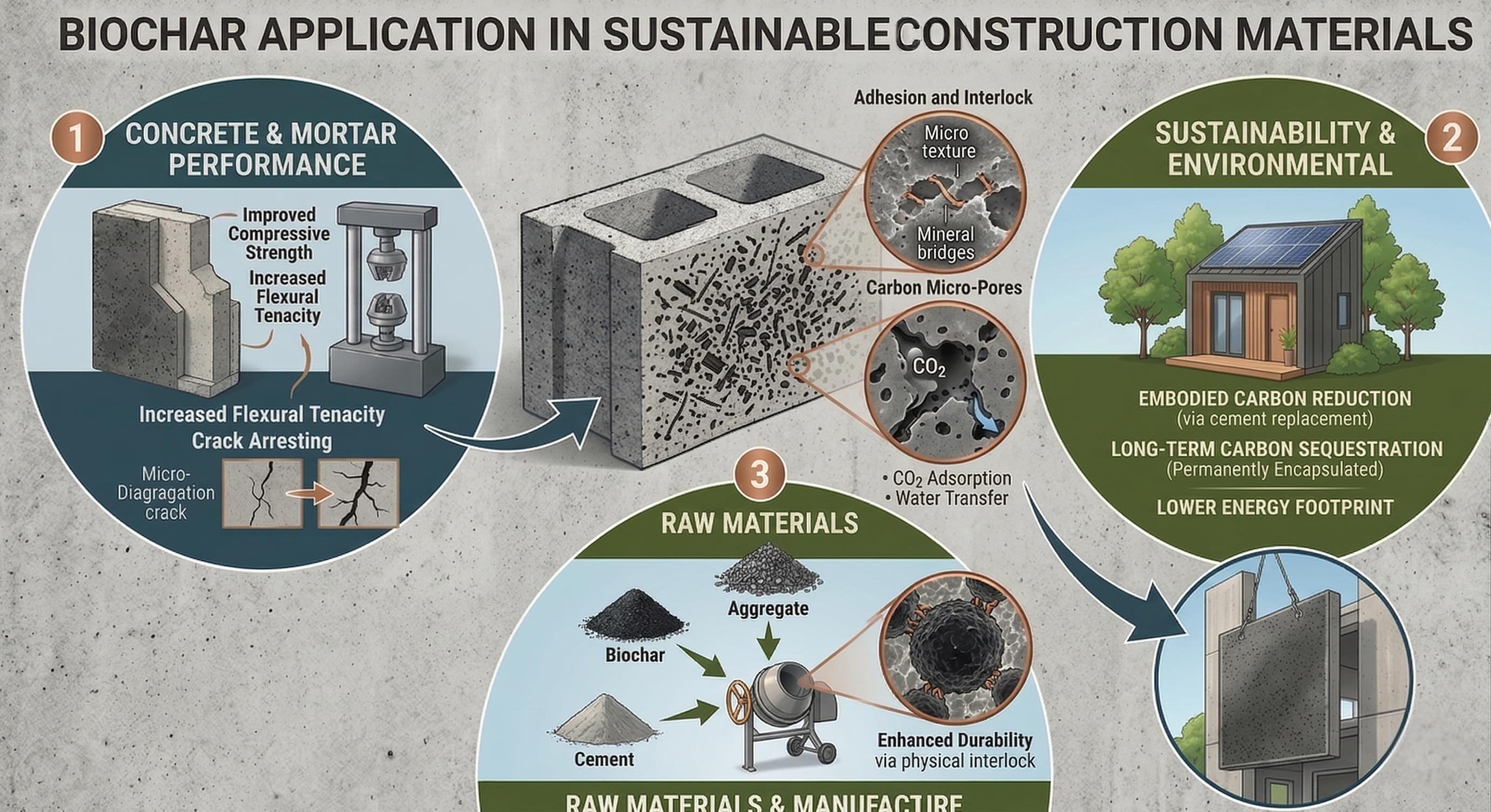
Flax-derived biochar transforms traditional concrete into a high-performance, eco-friendly building material by increasing structural strength and preventing cracking. This process permanently traps CO2 inside the walls to significantly reduce the carbon footprint of buildings.

Value-Added Products

Biochar can be used in the development of a range of value-added products, including agriculture and water purification, as well as the development of high-tech products like seed coatings for farming and advanced carbon materials for medical imaging, 3D printing, and high-performance electronics.

Some of the applications for biochar being explored commercially include:

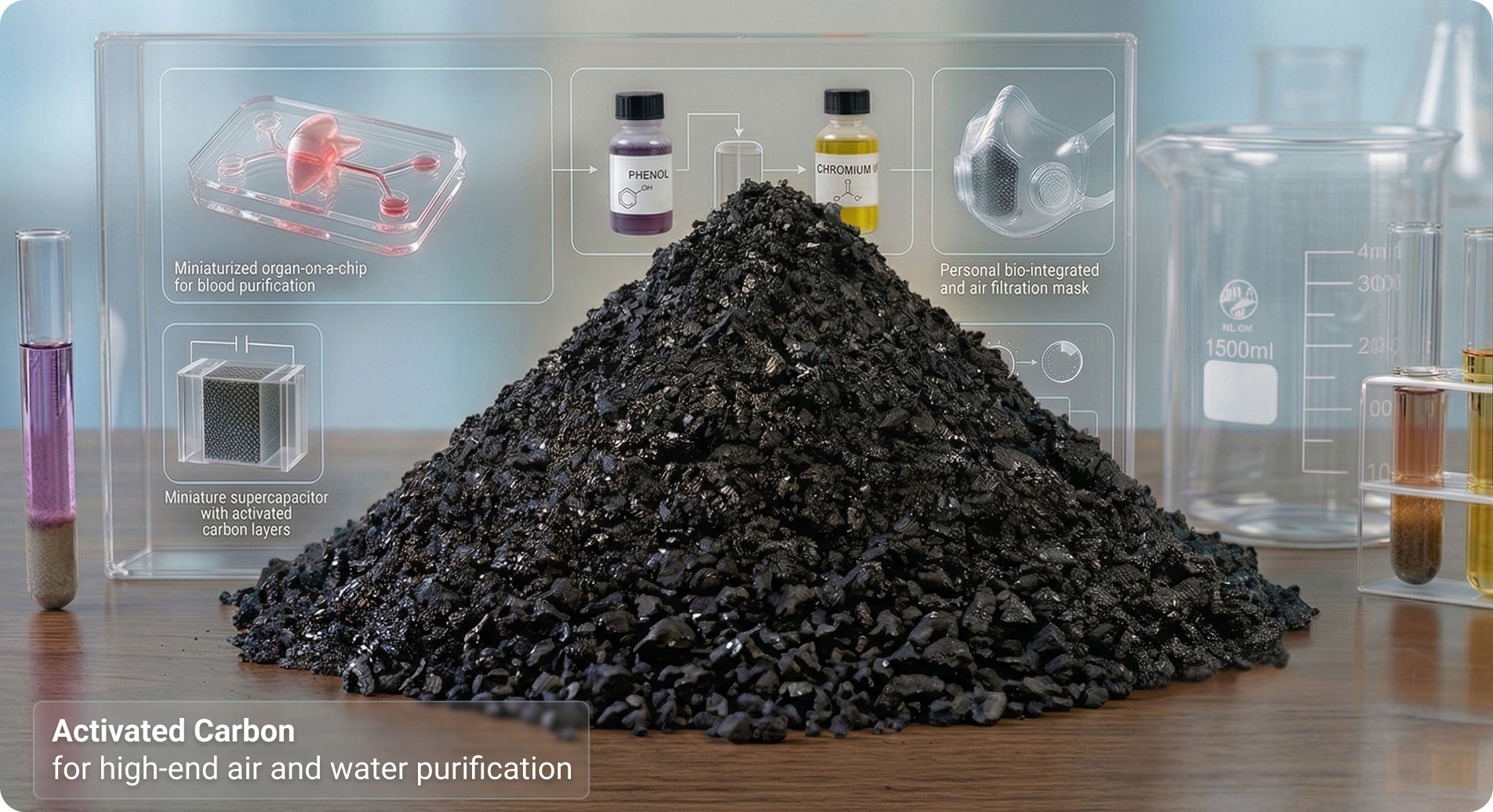
Activated Carbon for high-end air and water purification
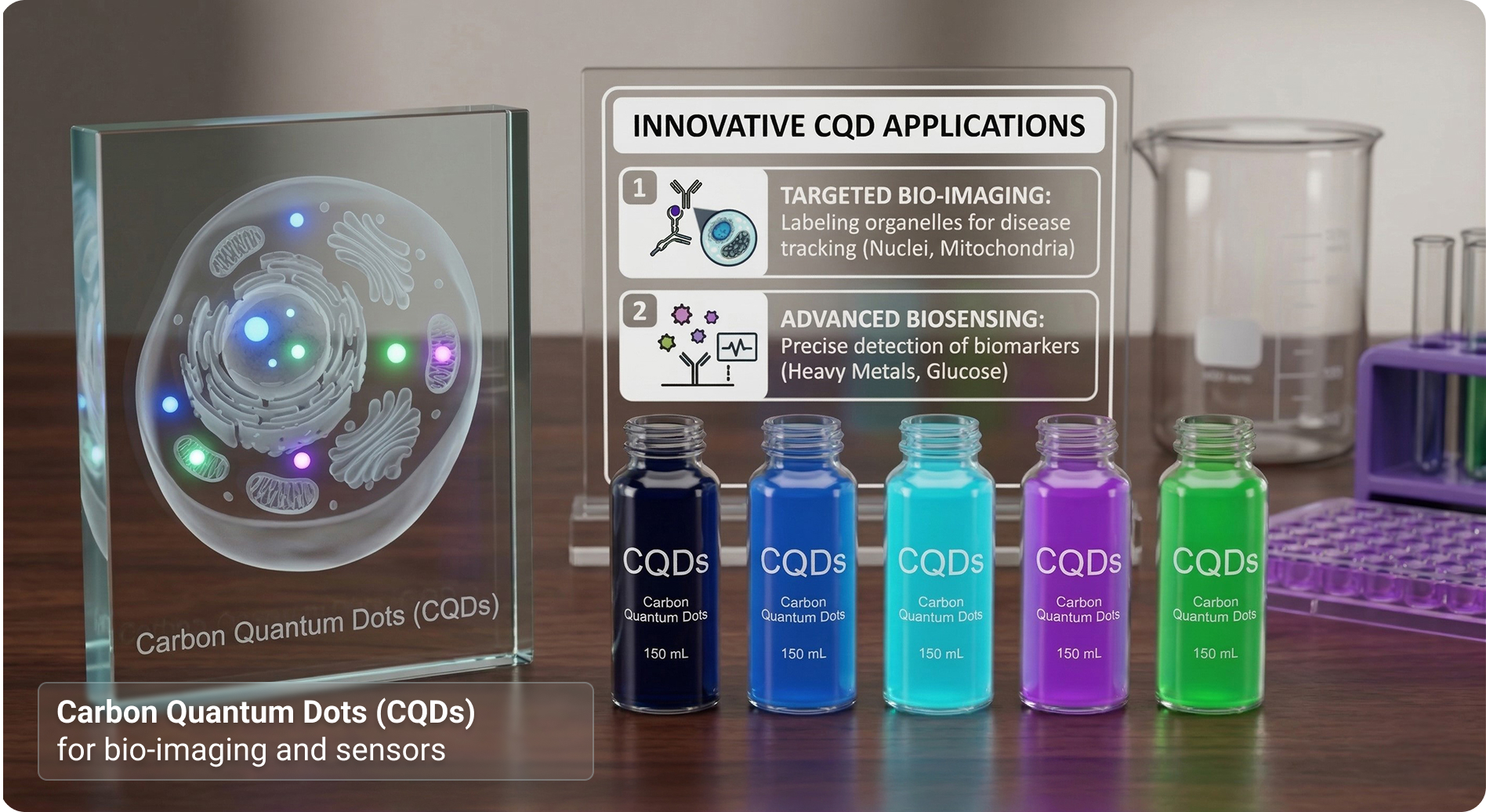
Carbon Quantum Dots (CQDs) for bio-imaging and sensors
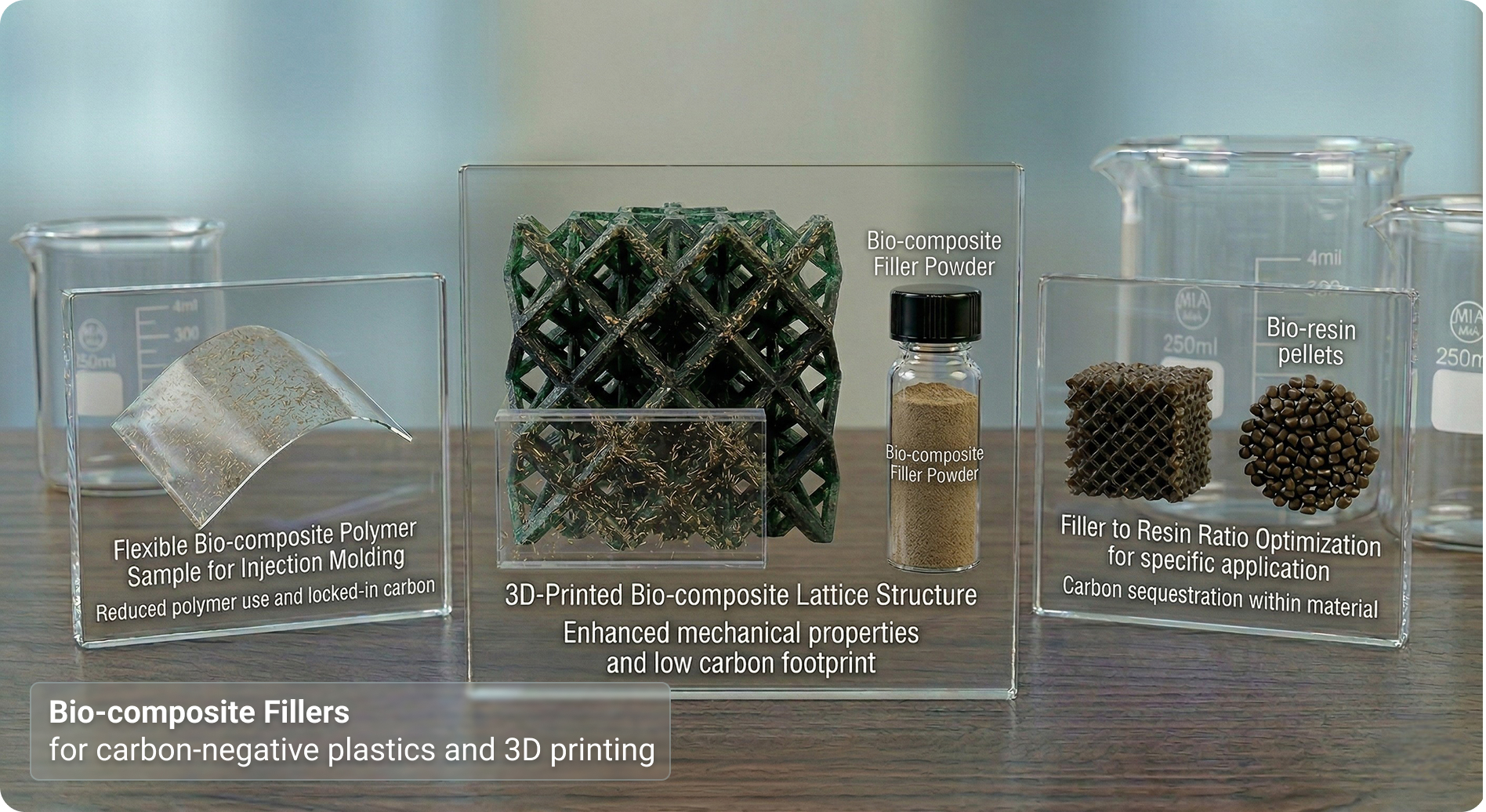
Bio-composite Fillers for carbon-negative plastics and 3D printing
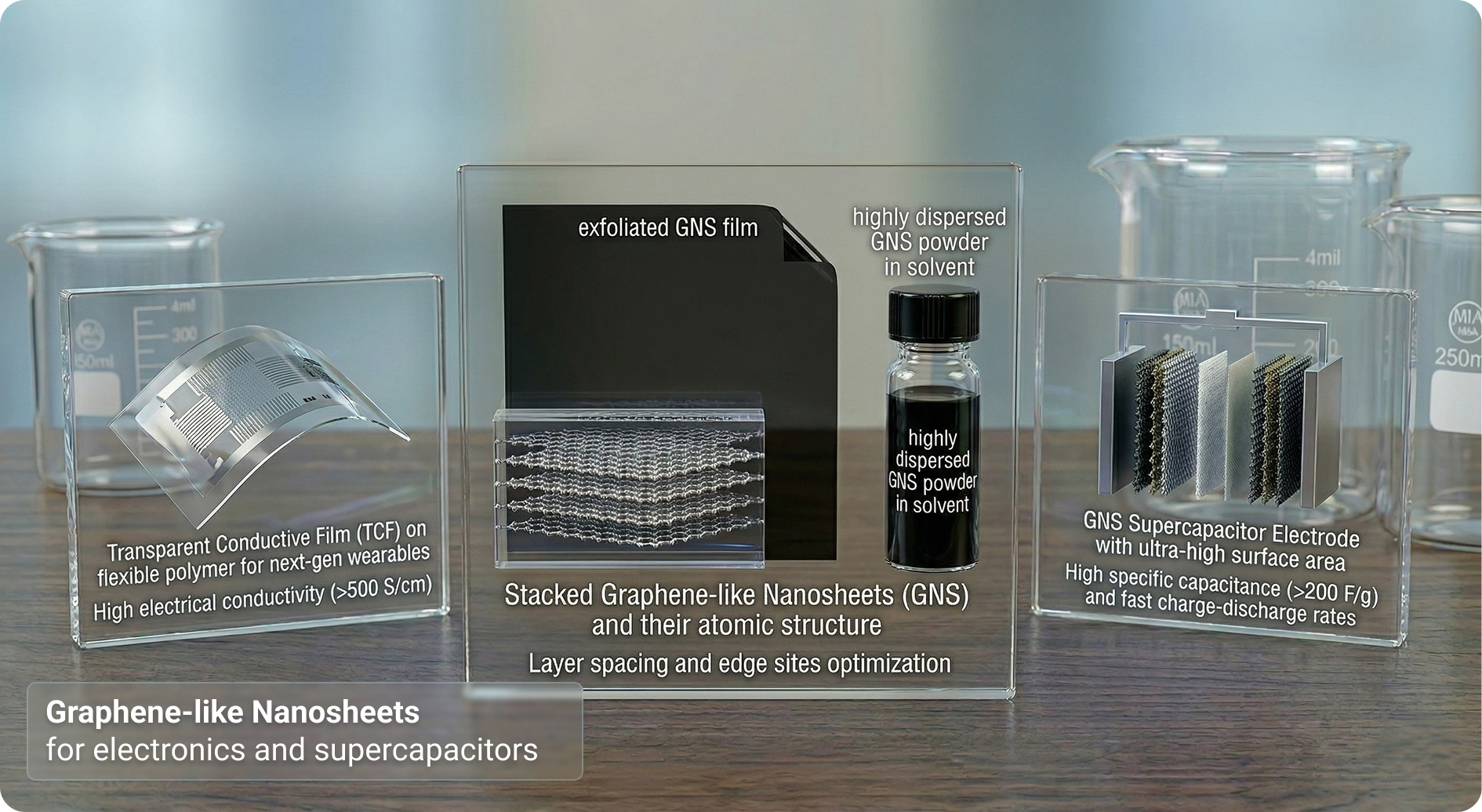
Graphene-like Nanosheets for electronics and supercapacitors
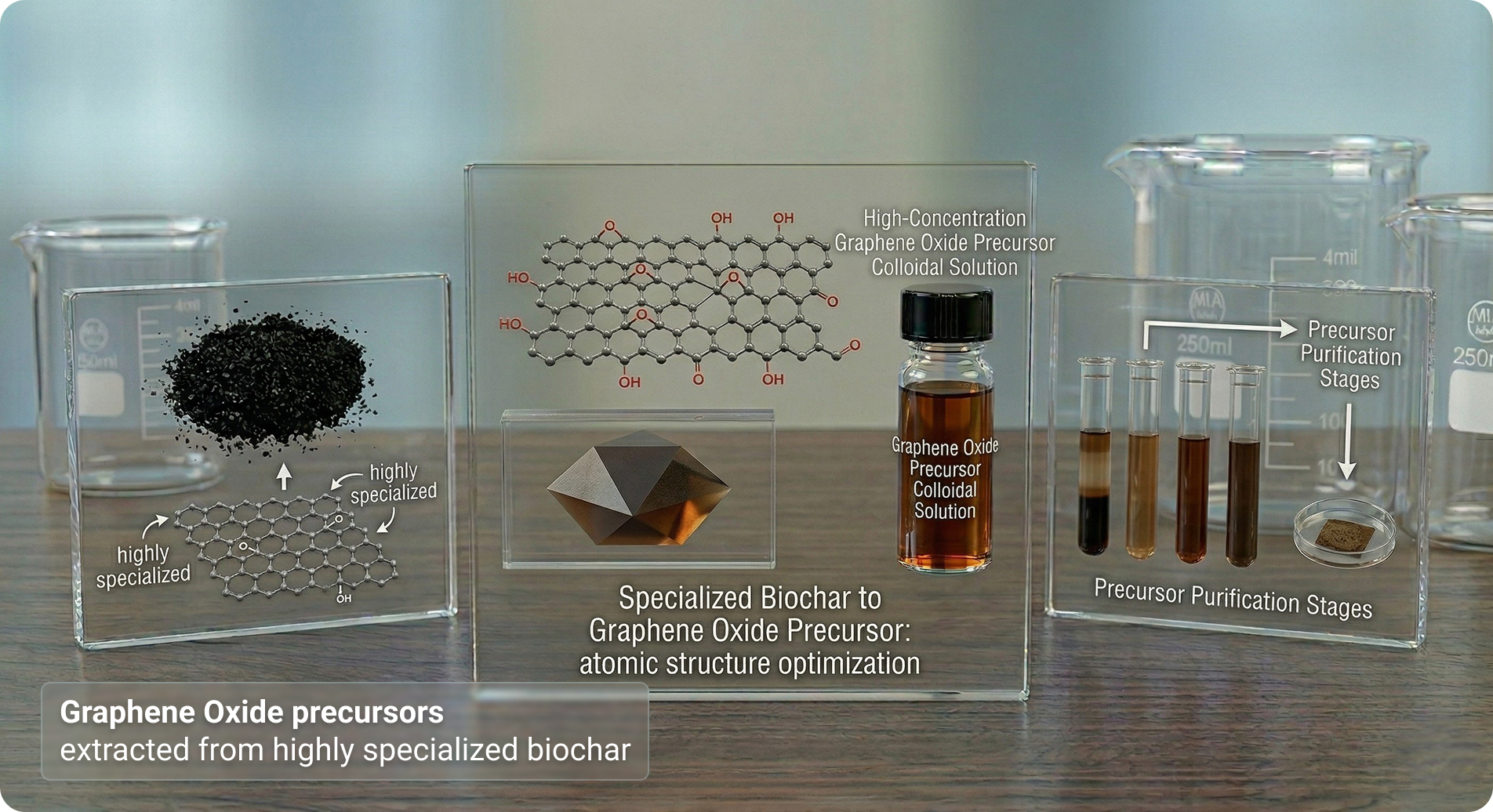
Graphene Oxide precursors extracted from highly specialized biochar
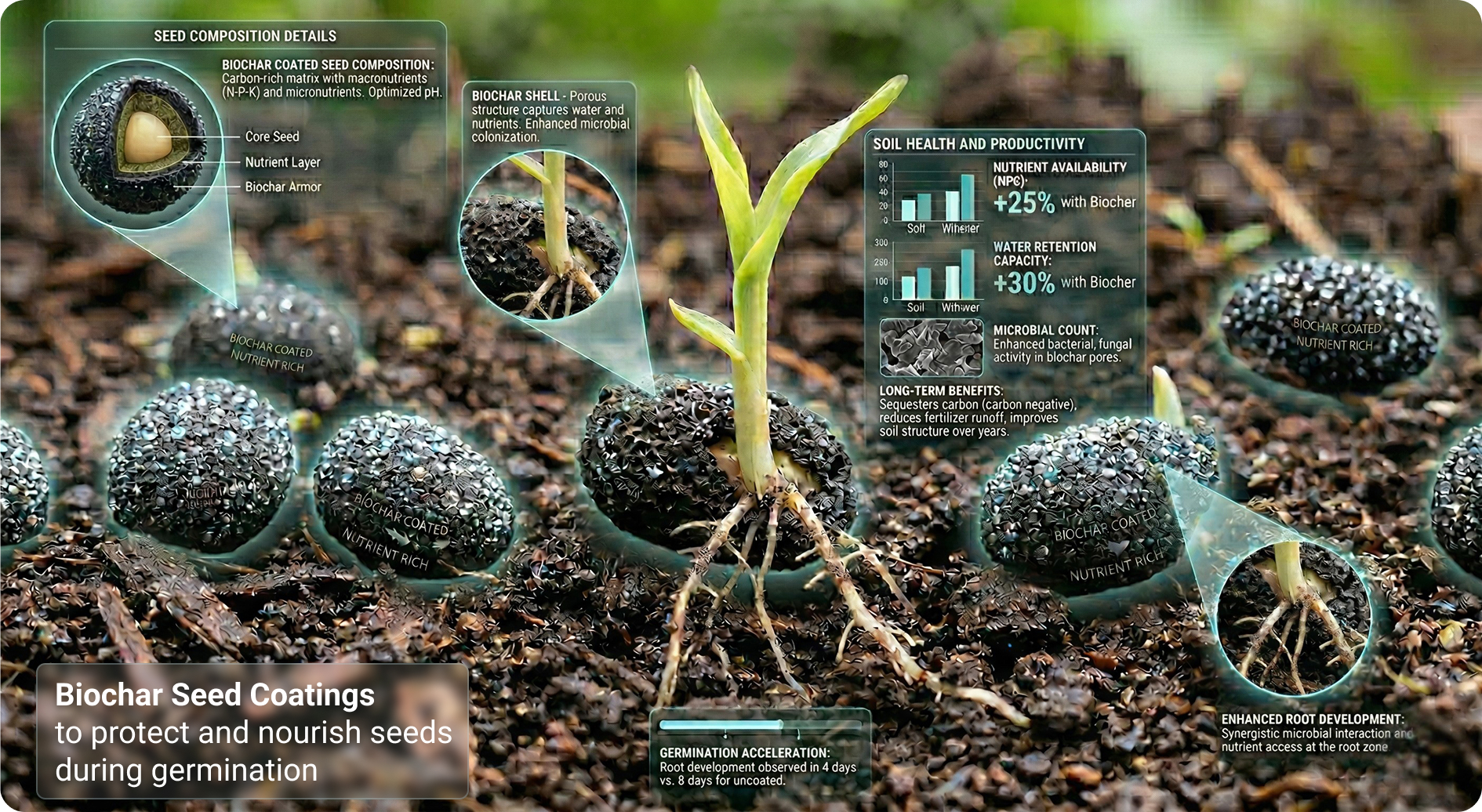
Biochar Seed Coatings to protect and nourish seeds during germination